
How Long Does Retinol Take to Work?
Professional facial treatments can work wonders for mature skin, but the best results often appear when you combine specialty services with an at-home anti-aging skincare routine. This is where topical retinol enters the picture. Join us for a guide on how long it takes retinol to work and the factors that may impact your timeline.
What is retinol?
Retinol is a derivative of vitamin A that’s proven to combat various signs of aging, including fine lines, wrinkles, and dark spots. Let’s dive into the details of this gold-standard anti-aging powerhouse.
How is retinol derived?
While many people consume retinol from dietary sources such as egg yolks, dairy, and carrots, topical retinoid products are synthetically derived from vegetable and animal sources and processed into different forms of the ingredient.
Are there different kinds of retinol?
Yes! There are many different types of retinol that all fall into one of two categories: prescription-strength and over-the-counter. Prescription retinols include names like tretinoin, tazarotene, and adapalene. They’re highly effective, but also more likely to cause adverse side effects. OTC retinols are milder and less irritating.
They’re more accessible for some, as they can be found in many drug store anti-aging creams without the need for a prescription. However, they may not have as transformative an effect on the skin.
What does retinol do for skin?
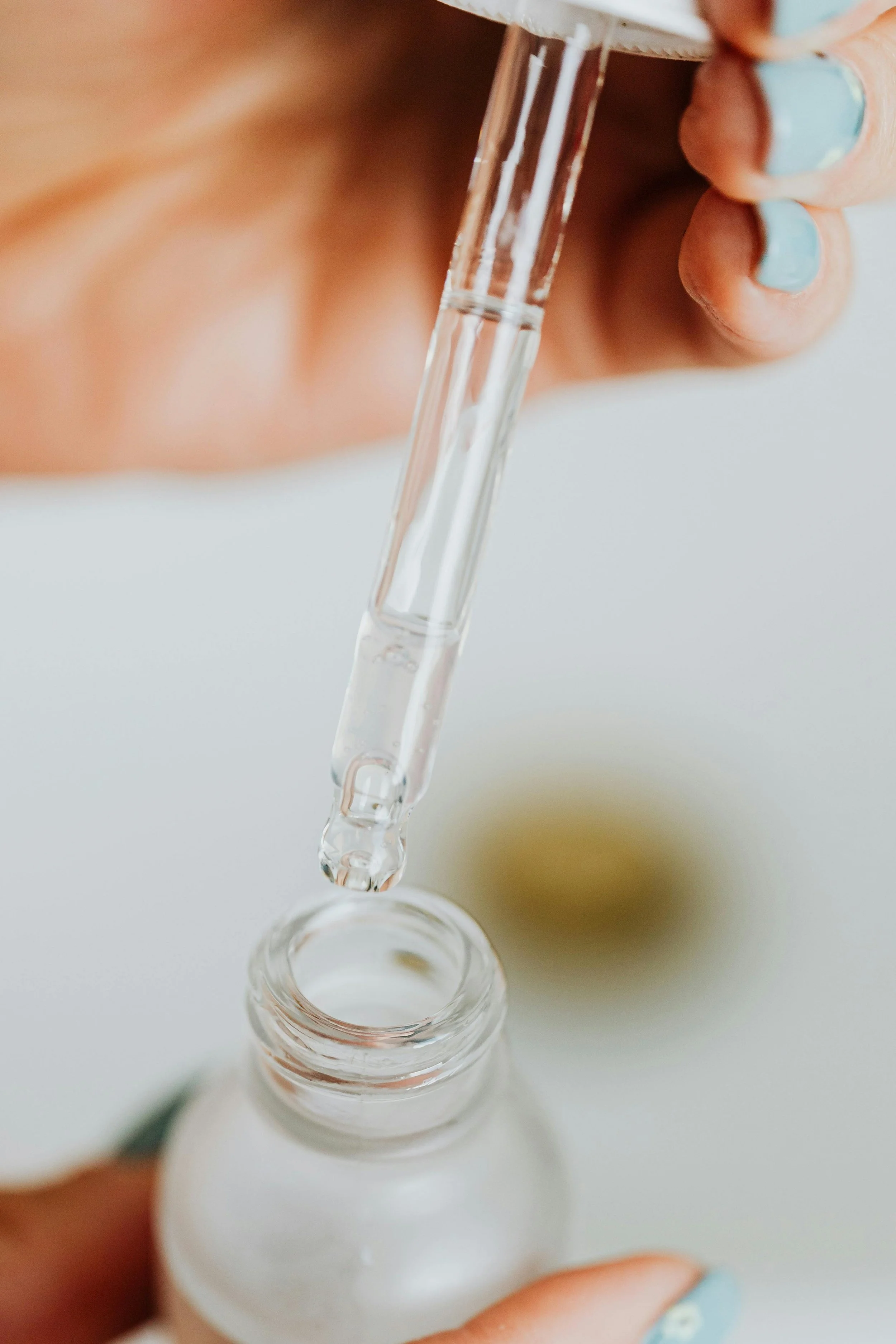
Retinol accelerates cellular regeneration and stimulates collagen production to fight many signs of aging, including:
Fine lines and wrinkles
Uneven skin texture
Dark spots and hyperpigmentation
Clogged pores
A dull complexion
Acne scars and stretch marks
Factors affecting how long it takes retinol to work
To understand how long it takes for retinol to work, we must first examine the variables that impact its efficacy.
Concentration
It’s no surprise that more potent forms of retinol work more quickly than lower-strength derivatives. The weakest forms contain 0.1% to 0.3% retinol and may deliver visible changes in 12 weeks or more. As that concentration increases, so does the speed of your results. At 0.5%, you may notice a brighter complexion in two to four months, while higher concentrations can yield noticeable results within six to eight weeks.
Skin type
No matter your skin type, it’s important to slowly increase the strength of retinol products to help your skin adjust and avoid excessive irritation. That said, your skin type does play a role in how long it takes retinol to work at any concentration:
Dry, sensitive skin: May require a slower introduction period and additional hydration.
Oily, acne-prone skin: Can often adapt more quickly and tolerate higher concentrations, leading to faster results.
Mature skin: Advanced signs of aging will take longer to improve.
Consistency
Consistency is key when it comes to how long it takes retinol to work. Most people introduce the product slowly, using it one or two nights a week, and then gradually increase the frequency to every other night or nightly. Remember, retinol is a long game. A slow and steady approach will help you avoid barrier damage and irritation.
How long does it take retinol to start working?
While your timeline may be unique, we can offer a general guideline on how long it takes retinol to work. Here’s what you can expect in the weeks and months after adding a prescription-strength retinoid to your skincare routine:

Weeks 1–2
The first weeks of retinol use are all about healthy adjustment to treatment. Many people experience redness, irritation, dryness, and flaking. Breakouts may occur as your skin purges excess oil, dead skin cells, and other impurities.
From this point forward, sunscreen will be your best friend. Your skin will be more susceptible to damaging sun exposure, so be sure to apply SPF every day. You should also avoid harsh topical products like alpha-hydroxy acids and beta-hydroxy acids. Stick to gentle skincare, including a mild cleanser and nourishing moisturizer or cream.
Weeks 2–4
After two to four weeks, the effects of increased cell turnover should begin to show. Your skin may feel smoother, and your complexion may look more even and radiant. Some people still experience peeling or purging during this time, but it shouldn’t last much longer.
Continue increasing the frequency of your applications slowly, and remember to prioritize sun protection and hydration to support your moisture barrier.
Months 3–6
Once you’ve overcome the initial adjustment period and found a routine that works for you, the effects of consistent retinol use should be undeniable. As collagen and elastin production increase and cellular regeneration amps up, you may notice:
A reduction in fine lines and early wrinkles.
Fewer dark spots and a more even complexion.
Clear pores and fewer breakouts.
Firmer, bouncier skin that’s more radiant and youthful.
Enhance your skincare routine with products from Ally B Aesthetics!
Ally B Aesthetics is your skincare specialist in the Chicago area! We help every client achieve happier, healthier skin through personalized treatments. Book an appointment today!
