
How To Get Rid of Dark Spots: Best Treatments and Routine
You don’t have to live with an uneven skin tone! In fact, there are many treatment options available. Join us as we explore how to get rid of dark spots and prevent them from appearing in the first place.
What causes dark spots on the face?
Hyperpigmentation is a general term for dark spots that appear anywhere on the face and body. There are many types that manifest in various ways:
Sun exposure
Sun damage is the number-one cause of dark spots, as UV rays stimulate melanocytes, the cells that generate melanin in the skin. In turn, sunspots or patches of heightened pigmentation appear. These areas tend to become darker in summer and more pronounced with age.
Melasma
The effects of hormonal changes like pregnancy, birth control, and menopause can show up on your face in symmetrical patches of darkened skin. Melasma often appears on the forehead, cheeks, and upper lip, and may worsen with sun and heat. Unlike small, targeted dark spots, melasma is usually characterized by larger brown or gray patches with soft edges.
Aging
There’s a good reason sunspots become more problematic over time. As we age, melanocyte distribution becomes uneven, and cellular regeneration slows. Our bodies can no longer keep up with the cumulative effects of sun exposure.
Skin conditions and inflammation
Chronic inflammation from acne breakouts, rosacea, and eczema is the driving force behind post-inflammatory hyperpigmentation (PIH). The dark spots generated as part of the healing process can persist even after you get rid of the initial redness and irritation.
Medications and medical conditions
Hormonal birth control, antibiotics, anti-seizure medications, and chemotherapy drugs may all impact photosensitivity and the appearance of discoloration. Meanwhile, thyroid disorders and autoimmune diseases can influence melanin distribution.
Skin injuries
Skin trauma can be subtle at first. You may not even realize when you’re overexfoliating or compromising your moisture barrier. But once the damage is done, it can be hard to soften the scars. Picking at acne, waxing mishaps, and harsh topical products can all leave your skin susceptible to dark spots.
What helps treat dark spots on the face?
Ready to learn how to get rid of dark spots? Here are a few tried and true methods to remove discoloration and brighten your complexion:
Topical skincare products
Prescription creams are among the best at-home remedies. Hydroquinone blocks melanin production and is considered the gold standard melasma treatment. Retinol (Tretinoin) increases cell turnover, softens fine lines, and helps fade age spots.
If you’re unable to see a dermatologist, there are plenty of OTC options available, including vitamin C, azelaic acid, and niacinamide. Corrective serums
All of the above products and ingredients offer gradual results.
Chemical exfoliators
You’ll find many types of chemical exfoliants to help you get rid of dark spots, including:
Salicylic acid: Ideal for acne-prone skin.
Lactic acid: Gentle AHA for sensitive skin.
Glycolic acid: A more robust alternative to lactic acid. Great for dry skin and surface pigmentation.
Mandelic acid: Exfoliates and inhibits pigment formation.
Professional facial treatments
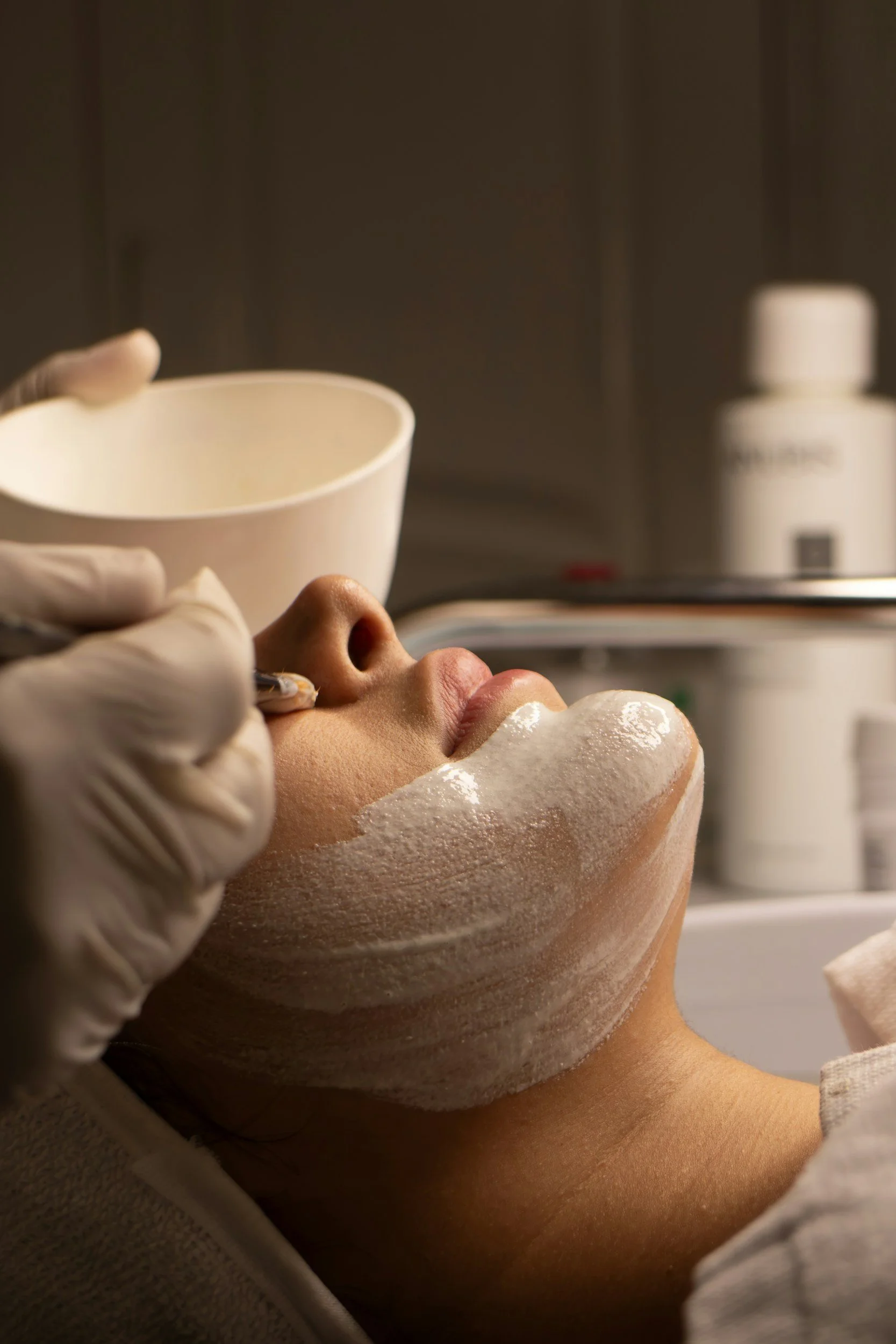
For a more aggressive approach to discoloration, professional facials and chemical peels are the way to go. Your esthetician can help you craft the perfect plan to get rid of dark spots. From hydrodermabrasion to laser and IPL treatments, these options offer different approaches to help you remove hyperpigmentation and refine your skin tone.
How to prevent dark spots on the face
Once you learn how to get rid of dark spots, you can maintain your results by preventing future blemishes. Here are three great ways to protect your skin and avoid backsliding:
Daily sun protection
A high-SPF sunscreen is an essential component of any great skincare routine, and it’s absolutely non-negotiable for anyone concerned about dark spots. Shielding your skin from UV rays is the best way to naturally prevent dark spots.
Key skincare ingredients
Instead of relying on a color corrector to even out your skin tone, nourish your skin with ingredients rich in antioxidants and anti-inflammatory properties, including vitamin C, niacinamide, and azelaic acid.
Consistent skincare routine
Healthy skin is more resilient against harmful UV rays, arid environments, and harsh topical products, so it’s important to care for your outer layer the right way. Every morning, apply a hydrating serum, a nourishing moisturizer, and a high-quality sunscreen before applying cosmetics. At night, use a gentle cleanser to remove makeup and oils, use a targeted treatment like retinol or azelaic acid, and then moisturize.
Managing acne, injuries, and scarring
The moment you notice a breakout beginning or an ingrown hair forming, it’s time to put your emergency skincare plan into effect. Skip any harsh treatments or products, and focus instead on calming the skin, reducing inflammation, and supporting your moisture barrier. You may want to pick at those pimples, but remember that extractions should only be performed by your esthetician.
Physical exfoliation
Chemical exfoliation may help you get rid of dark spots, but gentle physical exfoliation can help you prevent them. Use a soft washcloth or fine konjac sponge to lightly slough off dead skin cells and encourage cellular renewal once or twice each week. Don’t apply too much pressure or use products containing sugar or walnut shells, as these can damage your skin.
Treat dark spots and rejuvenate your skin at Ally B Aesthetics!
Ally B Aesthetics is your source for transformative skincare! Reach out today and get a personalized treatment solution for your skin.
